

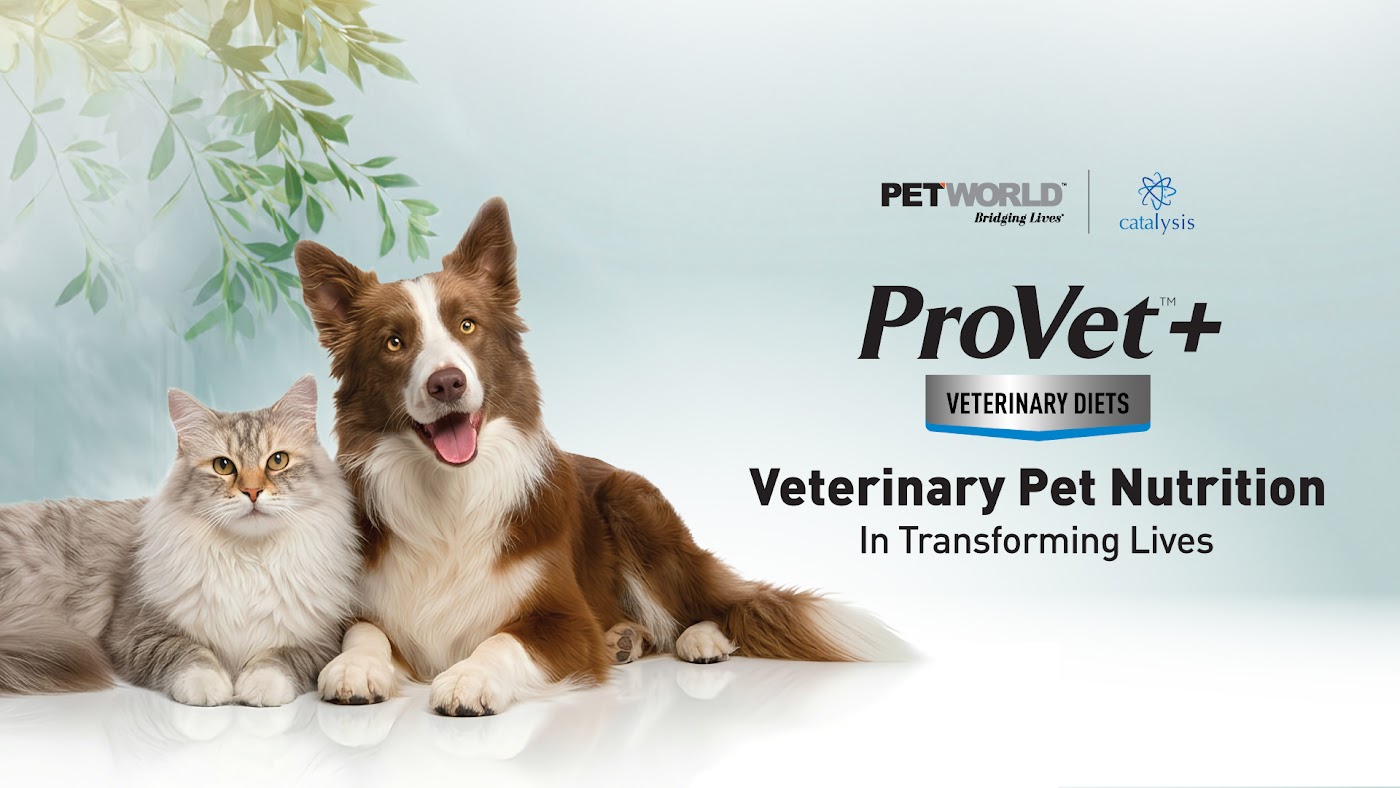
The foundation of every ProVet+ formula is the base diet itself: the protein source, the degree of hydrolysis, and the resulting digestibility and allergenicity profile. The Catalysis® bioactive in each SKU is then layered on top of that foundation as an amplifier.
The Foundation: Precision Protein Hydrolysis
One of the most independently verifiable pillars of ProVet+’s science is protein hydrolysis. This process breaks intact proteins into much smaller peptide fragments enzymatically during manufacturing, rather than relying entirely on the pet’s own digestive system to do this work, which may be compromised in animals with gastrointestinal or other health conditions.
ProVet+ uses hydrolysed salmon peptide and tuna hydrolysate, processed to keep the resulting peptides strictly below 6.5 kDa.
This threshold matters for two independently supported reasons:
1. Digestibility
Veterinary internal medicine guidance for gastrointestinal disease management typically defines a highly digestible therapeutic diet as one with protein digestibility at or above approximately 87% (Cesarani et al., 2020, Animals).
ProVet+ cites pepsin digestibility above 90%, which is consistent with and exceeds this independent clinical benchmark.
2. Immune Evasion
Many food allergens in dogs and cats fall within the approximately 10 to 70 kDa range, with some sources identifying a more common threshold above approximately 20 kDa. Hydrolysing proteins into peptides below 6.5 kDa makes them significantly smaller and less likely to be recognised by the immune system, supporting the development of a genuinely hypoallergenic formulation (Masuda et al., 2020; Bexley et al., 2017).
A Marine-Sourced Nutritional Base
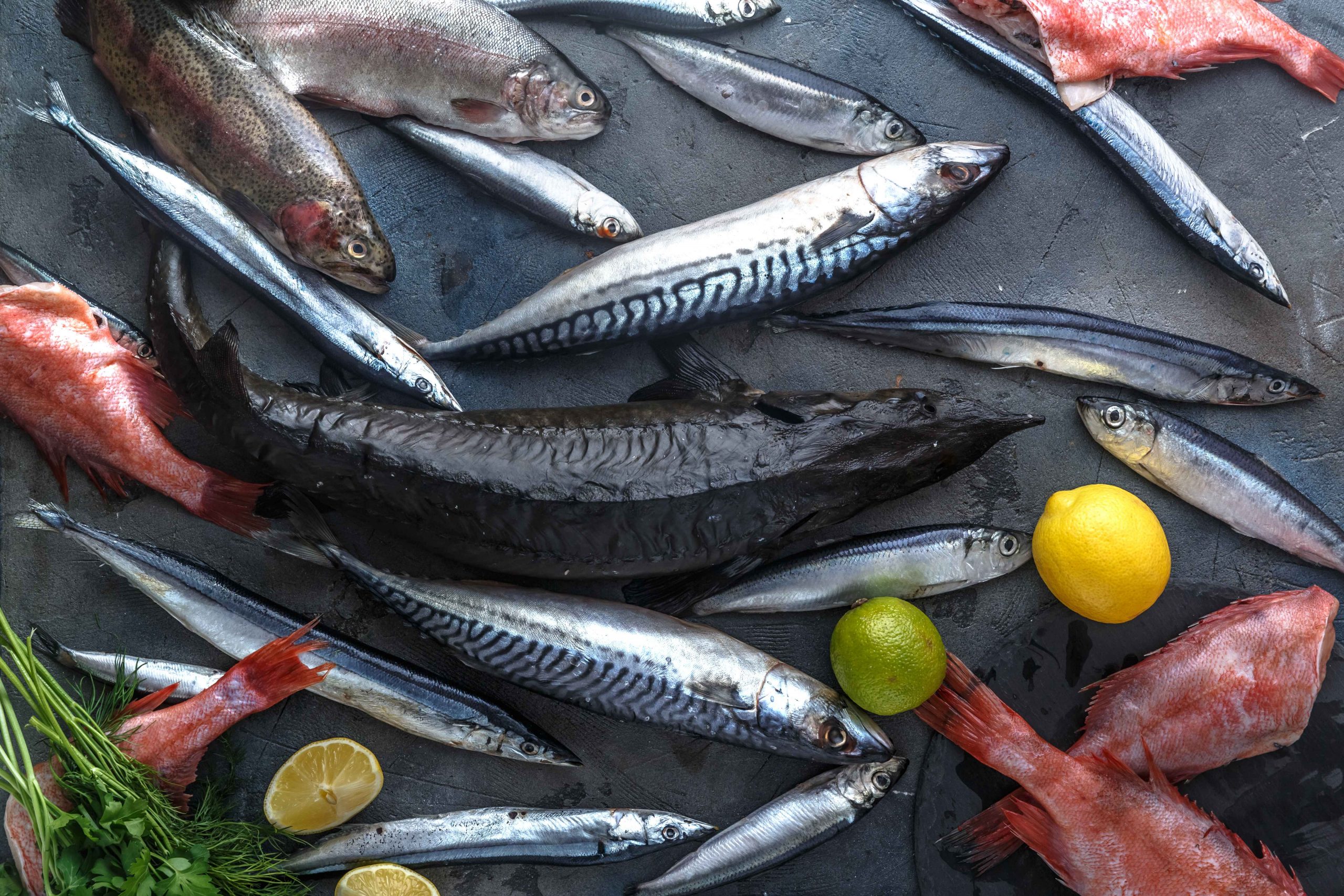
Underneath the hydrolysis process is a deliberate ingredient choice. Fish meal, sardine oil, and tuna oil form the primary protein and fat backbone across the range, rather than relying on a generic poultry or grain-forward base.
This marine-sourced foundation provides several nutritional advantages.
First, it supplies naturally acidifying sulfur-containing amino acids that are relevant to urinary formulas.
Second, it provides a built-in source of omega-3 fatty acids, including EPA and DHA, which are relevant to the nutritional management of inflammation and may be particularly valuable in skin, immune, and recovery-focused formulas.
Third, fish-based ingredients can contribute to palatability, which is especially important for animals that may already have reduced appetite due to illness or chronic health conditions.
Layering On: Catalysis® Bioactive Technology
With this nutritional foundation in place, each ProVet+ SKU is further fortified with a Catalysis® bioactive compound selected for its intended clinical application. The role of these compounds is to complement and amplify the work of the base diet.
According to Catalysis®, its proprietary Molecular Activation Technology (MAT) is a patented process that subjects natural organic molecules to a synchronised electromagnetic field. This process is intended to increase the molecules’ energetic state and free-radical-scavenging capacity without altering their underlying chemical structure.
There are four Catalysis® bioactives incorporated into the ProVet+ range, with each selected for the SKU where it is considered clinically relevant.
- RENALOF® is built around activated Agropyron repens (couch grass). It supports the urinary tract by lubricating the urothelium and supporting the dissolution of struvite crystals.
- CARMINAL® is a blend of activated aloe vera and licorice extract. It supports gastric mucosal repair and help reduce vomiting and diarrhoea.
- VIUSID® is an antioxidant complex built around activated glycyrrhizic acid, which is derived from licorice. It supports immune resilience and liver protection, through the suppression of pro-inflammatory cytokines such as TNF-α.
- OCOXIN® is built around high-potency green tea polyphenols, including EGCG. It supports recovery by limiting tumour-promoting angiogenesis and helping to maintain appetite in recovery-phase animals.
Dosage Assurance
We also conducted a ProVet+ Dosage Assurance exercise, which was verified by Dr. Chen, the Head of R&D at Pet World Nutritions Sdn. Bhd.
During production, the ProVet+ formula is loaded with liquid Catalysis® bioactives, allowing the bioactive solution to saturate the kibble.
Even under an extreme hypothetical scenario involving a 50% processing loss, laboratory calculations indicate that the dosage delivered to a cat or dog would still exceed the recommended daily oral threshold on both an as-fed and dry matter basis.
Actual in-feed bioavailability is expected to be substantially higher than this worst-case scenario.
Why This Matters in the Consult Room
For veterinary professionals, formulation matters.
The ProVet+ approach begins with the diet itself to build a strong nutritional foundation, and then targeted bioactive compounds to complement that foundation. Together, these elements provide clinicians with a combined nutritional approach that may be valuable when managing complex or persistent chronic cases.
*all quantitative medical claims are supported by Catalysis® trial evidence
References
Bexley, J., et al. (2017). Extensive protein hydrolyzation is indispensable to prevent IgE-mediated poultry allergen recognition in dogs and cats. BMC Veterinary Research. https://doi.org/10.1186/s12917-017-1183-4
Cesarani, A., et al. (2020). Acute diarrhea in dogs: Current management and potential role of dietary polyphenols supplementation. Animals. https://pmc.ncbi.nlm.nih.gov/articles/PMC7465157/
Green tea polyphenols upregulate the Nrf2 signaling pathway and suppress oxidative stress and inflammation markers in D-galactose-induced liver aging in mice. (2022). PMC. https://www.ncbi.nlm.nih.gov/pmc/articles/PMC8904921/
IVC Journal. (2024). Why do integrative vets love green tea extract? https://ivcjournal.com/why-do-integrative-vets-love-green-tea-extract/
Masuda, K., et al. (2020). Flow cytometric analysis referenced in: Hypoallergenic Diets in Dogs and Cats: 2026 Update. https://pro.dermavet.com/hypoallergenic-diets-in-dogs-and-cats-2026-update/