


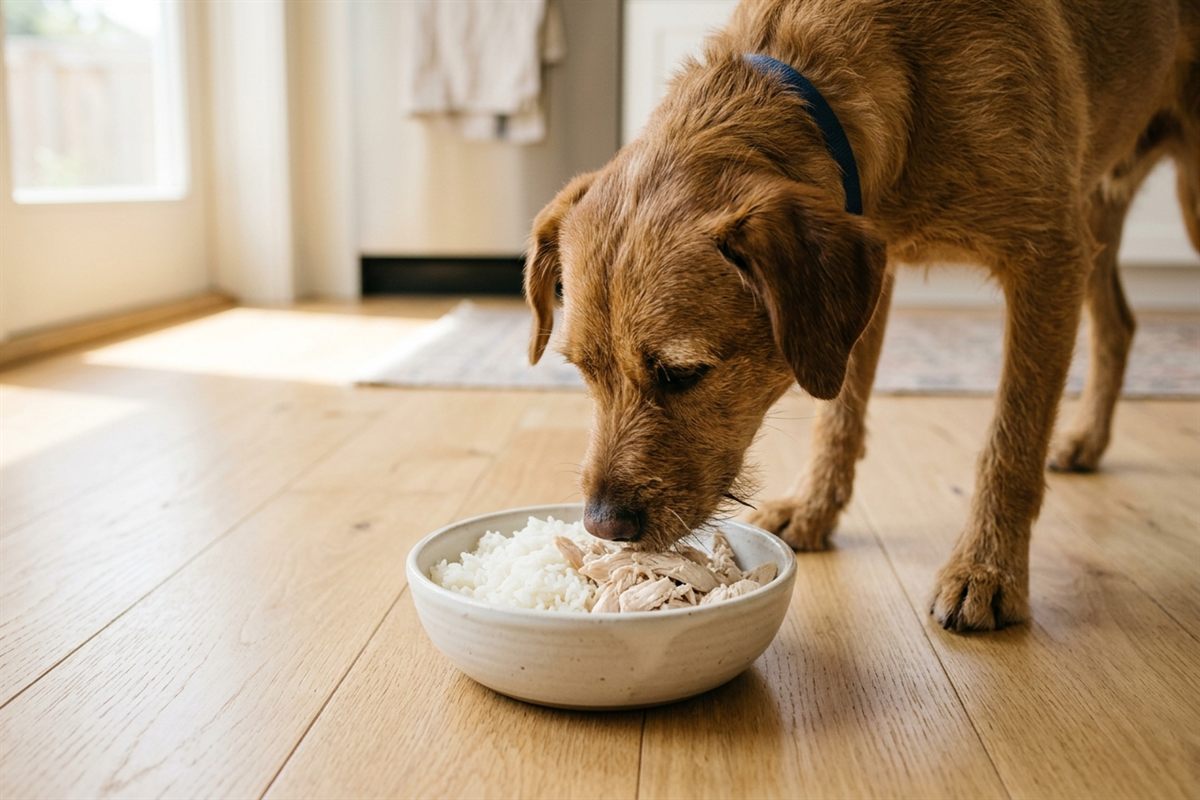
Almost every dog owner has done this: the dog has loose stools, so you boil some plain chicken and white rice, and within 2-3 days things seem to settle down.
At PET WORLD, we study our consumers and their behaviour to understand how to serve you better. The trend is clear: pet humanisation is growing, and owners love their pets more than ever, prioritising their comfort and happiness. Yet there is a big misconception about home-cooking for pets.
For a one-off upset stomach, chicken and rice is often a reasonable short-term response. But for some dogs, the problem keeps coming back. The stools firm up, then loosen again two weeks later. The dog loses vitality, energy and mood each time. Eventually, the bland diet stops working altogether.
 Acute Upset Versus Chronic Enteropathy
Vets look at stomach issues in two ways: a short-term upset that clears up on its own, or a long-term illness (chronic enteropathy) where signs like vomiting or diarrhoea keep coming back for three weeks or more.
That distinction matters because the two situations call for very different responses.
An acute episode is usually managed supportively while the gut recovers on its own.
Chronic enteropathy, on the other hand, is a persistent state. The intestinal barrier is inflamed, nutrient absorption is impaired, and the microbial population in the gut has often shifted away from its normal composition. Left alone, each flare tends to make the next one more likely.
Here is the part that surprises most owners: in dogs with chronic inflammatory enteropathy, food-responsive enteropathy is reported to account for roughly 50 to 65% of cases (Jergens & Heilmann, 2022, Frontiers in Veterinary Science).
In other words, for a majority of these dogs, the most effective intervention is not a drug. It is the diet.
 Why the Home-Cooked Diet Doesn’t Work for Your Pet
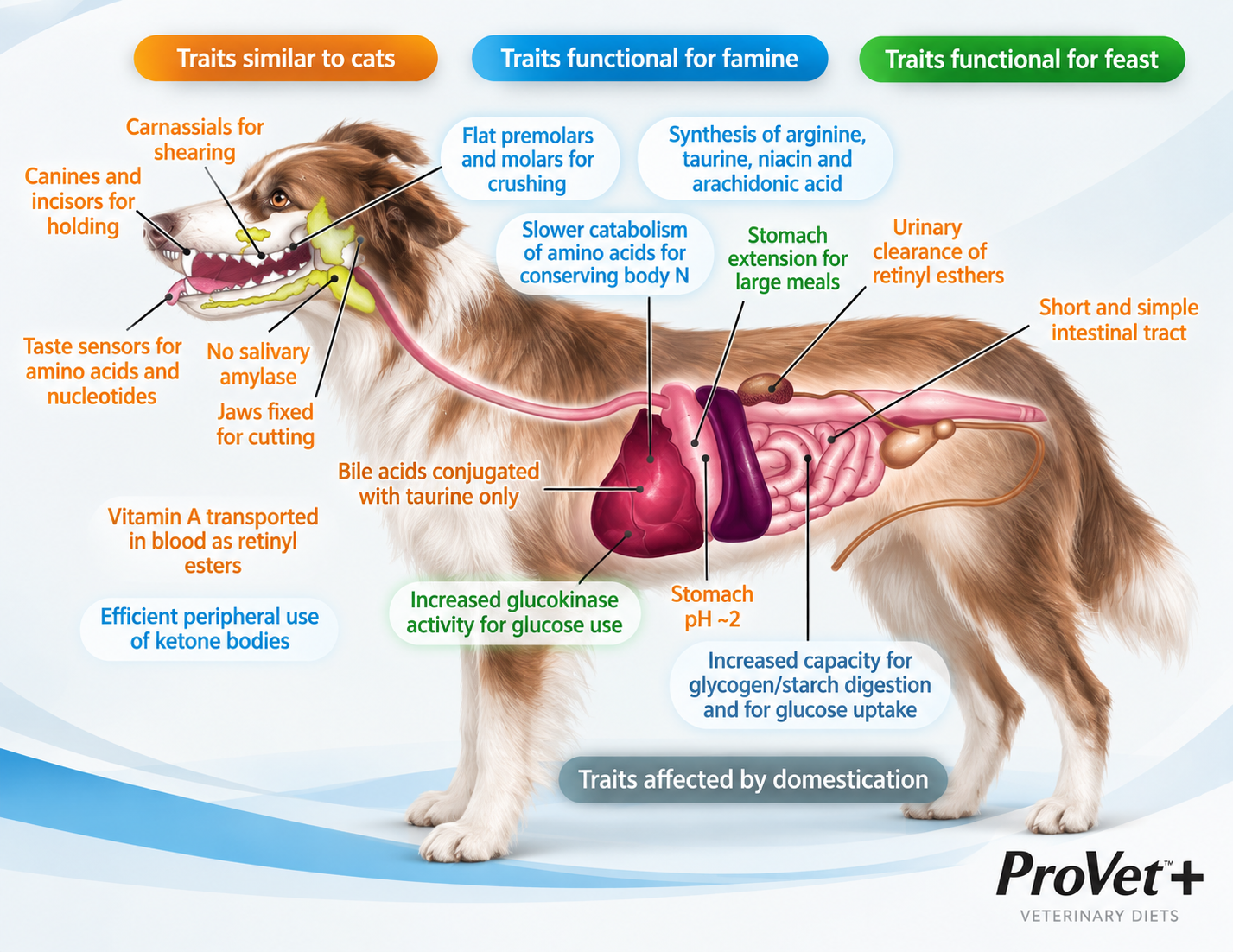
Boiled chicken and rice is gentle, and that is useful for a few days. But as a management strategy for a chronic condition, it has its limitations.
1. It is not complete and balanced
Chicken and rice is deficient in essential minerals, vitamins and fatty acids. Fed for a week, it is unlikely to cause problems. However, if fed for two months to a dog that is already malabsorbing nutrients, it compounds the problem.
2. The protein is still intact
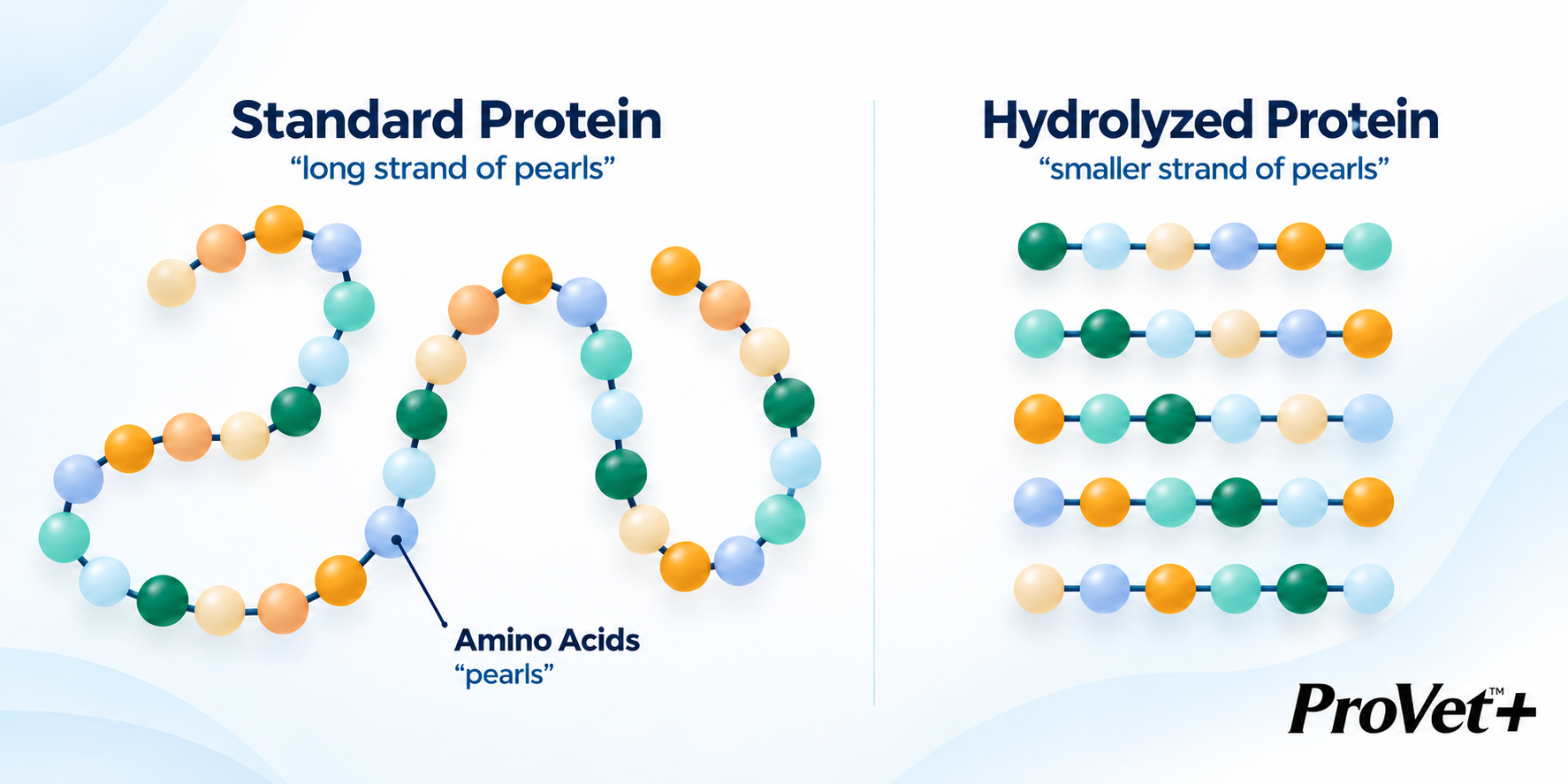
Chicken breast consists of large, complex protein blocks. Larger proteins are more likely to be recognised by the immune system. Every time the immune system reacts, it causes more swelling, pain and irritation in the gut. The gut stays perpetually inflamed and cannot repair its lining, keeping the dog trapped in a loop of stomach upset.
3. There is no control over fat
Fat is one of the most clinically significant variables in gastrointestinal management, and a home-cooked diet gives you no reliable control over it.
4. There is no microbiome strategy at all
A bland diet does nothing to actively support the bacterial population of the gut.
The Case for Controlling Fat
Why does fat management matter so much? Fat restriction is a cornerstone of gastrointestinal care. When unabsorbed fat makes its way to the large intestine, gut bacteria break it down in ways that can actually worsen diarrhoea. Plus, high-fat meals add unnecessary stress to an already overworked pancreas.
For conditions like protein-losing enteropathy, veterinary literature points to a high-protein, low-fat diet as essential therapy, boasting impressive response rates of 73% to 85% (Jergens & Heilmann, 2022).
Striking that nutritional balance is tough in a home kitchen, but it can be seamlessly built into a scientifically formulated diet.
How ProVet+ Dog Gastrointestinal Is Built
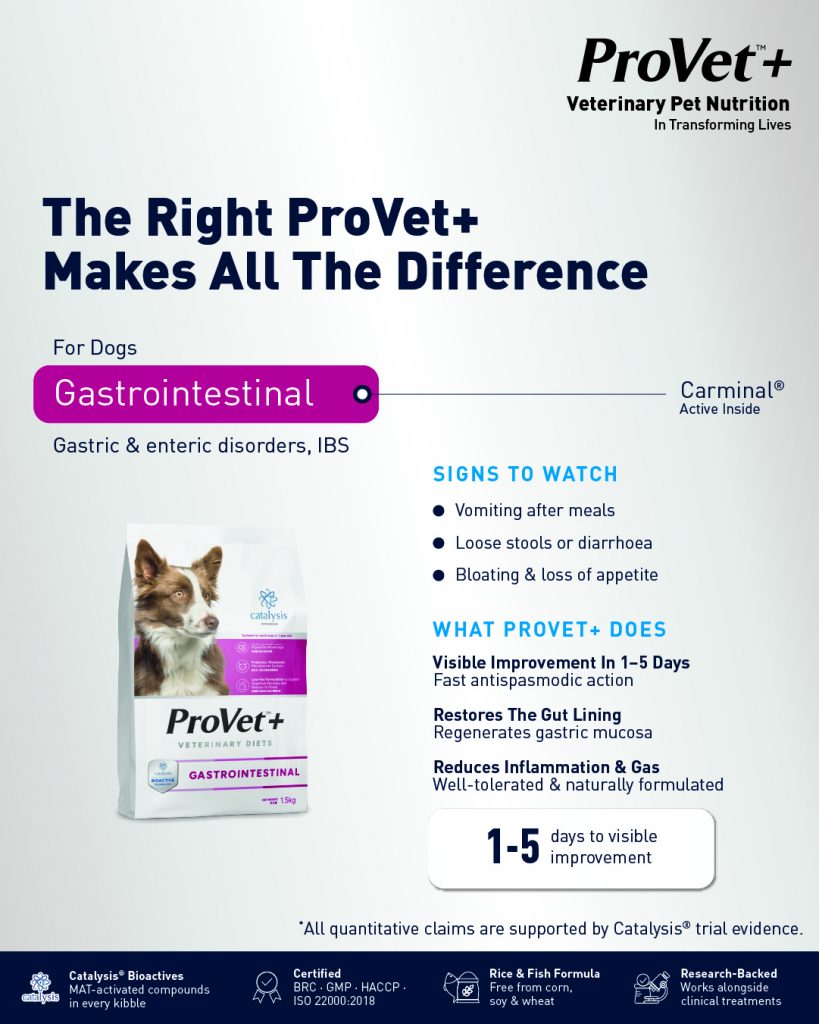
ProVet+ Dog Gastrointestinal is a veterinary diet formulated by PET WORLD around this clinical picture, with an added layer of support powered by Catalysis® Bioactive Technology.
1. The lowest fat guarantee in the ProVet+ dog range
ProVet+ Dog Gastrointestinal is formulated at 11.0% fat (minimum), against 14.0% (minimum) for both ProVet+ Dog Skin & Immunity and ProVet+ Dog Vitality Support.
That is a deliberate formulation decision, intended to reduce the digestive and pancreatic workload associated with fat handling.
Protein is maintained at 27.0% (minimum) and fibre is capped at 3.0% (maximum), with a calculated metabolisable energy of approximately 3,350 kcal/kg.
2. Hydrolysed protein below the allergenic threshold
ProVet+ Dog Gastrointestinal builds its protein backbone from fish meal, salmon peptide and tuna hydrolysate, broken down to below 6.5 kDa. Many food allergens in dogs and cats fall within roughly the 10 to 70 kDa range. Peptides below 6.5 kDa are substantially smaller and less likely to be recognised by the immune system (Masuda et al., 2020; Bexley et al., 2017). Your dog’s gut can absorb the protein and get complete, high-quality nutrition while the gut wall gets a much-needed chance to rest and heal.
ProVet+ also cites pepsin digestibility above 90%. Veterinary internal medicine guidance typically defines a highly digestible therapeutic diet as one at or above approximately 87% (Cesarani et al., 2020, Animals), so the ProVet+ formula sits above that independent benchmark.
For a dog with a chronically inflamed and more permeable gut barrier, both properties matter at the same time.
3. A prebiotic–postbiotic microbiome system
Layered onto the base diet is a combination of fructo-oligosaccharide (FOS) as a prebiotic fibre, postbiotics, yeast components and montmorillonite clay.
FOS is intended to nourish beneficial bacterial populations. Postbiotics supply microbial metabolites associated with gut barrier support. Montmorillonite is included as a natural binder.
Controlled trials in dogs indicate that specific prebiotic and postbiotic blends can measurably influence intestinal barrier markers and inflammatory biomarkers, including faecal calprotectin (Pilla & Suchodolski, 2021; Journal of Animal Science, 2025; Pets, 2026).
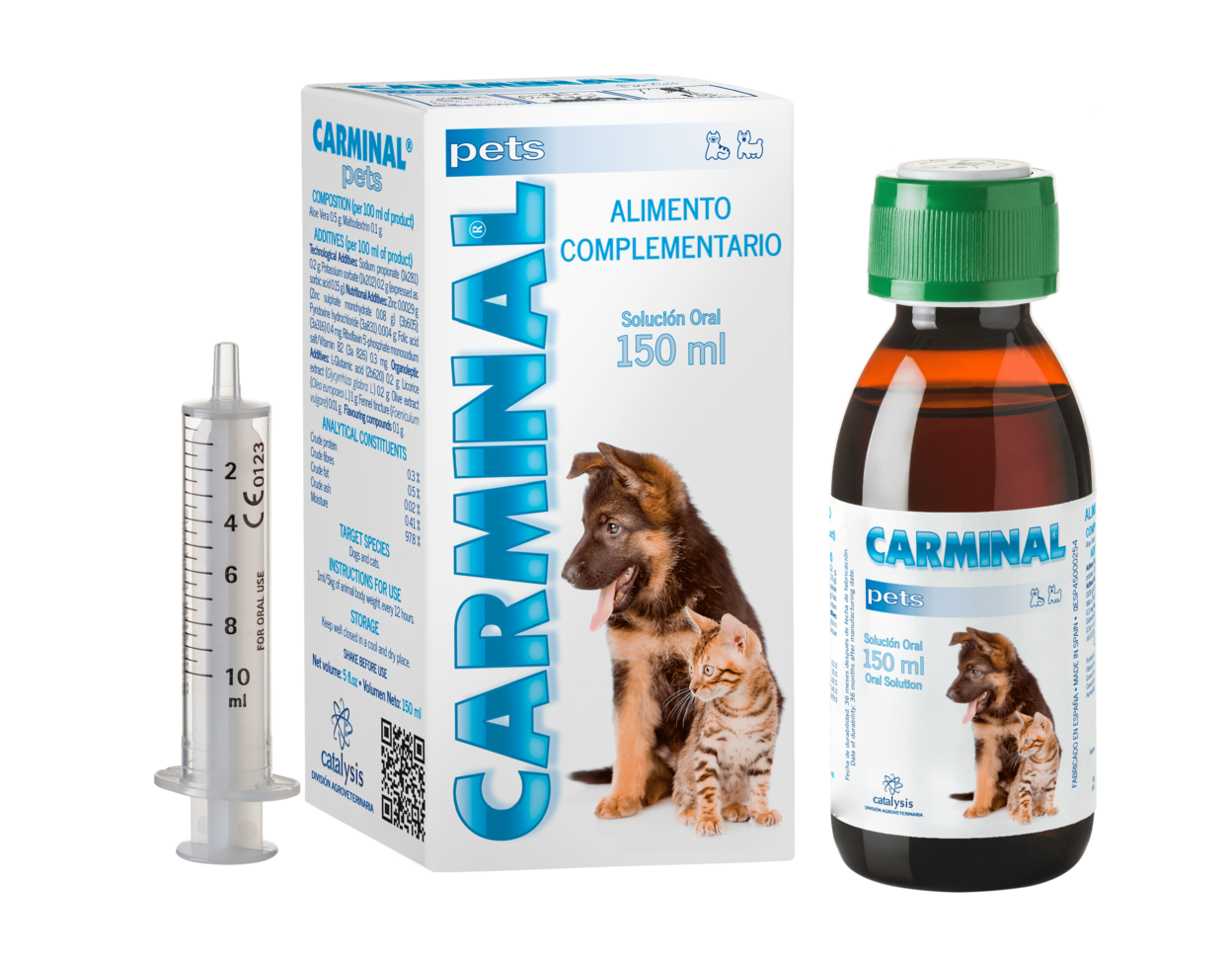
4. CARMINAL®, layered on top
With that foundation in place, the formula is fortified with CARMINAL®, a blend of activated aloe vera and licorice extract, to support gastric mucosal repair and help reduce vomiting and diarrhoea. By sticking to ProVet+’s daily feeding guidelines, your dog will naturally receive their full daily requirement of CARMINAL®.
 A Note on the Malaysian Context
Food sharing is cultural. Leftovers open houses and family meals frequently find their way into the dog bowl. For a dog managing chronic enteropathy, a single high-fat meal can undo 2 weeks of effort of careful feeding.
What to Do If This Sounds Like Your Dog
If your dog has had gastrointestinal signs on and off for three weeks or more, or is losing weight or condition between episodes, that requires a veterinary consultation.
Prepare the history and timeline: how often, for how long, what the stools actually look like, what the dog has eaten, and what its body weight has done over the past few months. That history helps your veterinarian choose a better diagnostic path.
If a food-responsive enteropathy is suspected, the diet becomes the treatment, and it needs to be run properly: one diet, exclusively for the period your veterinarian specifies – with no treats, no table scraps and no flavoured supplements slipping in.
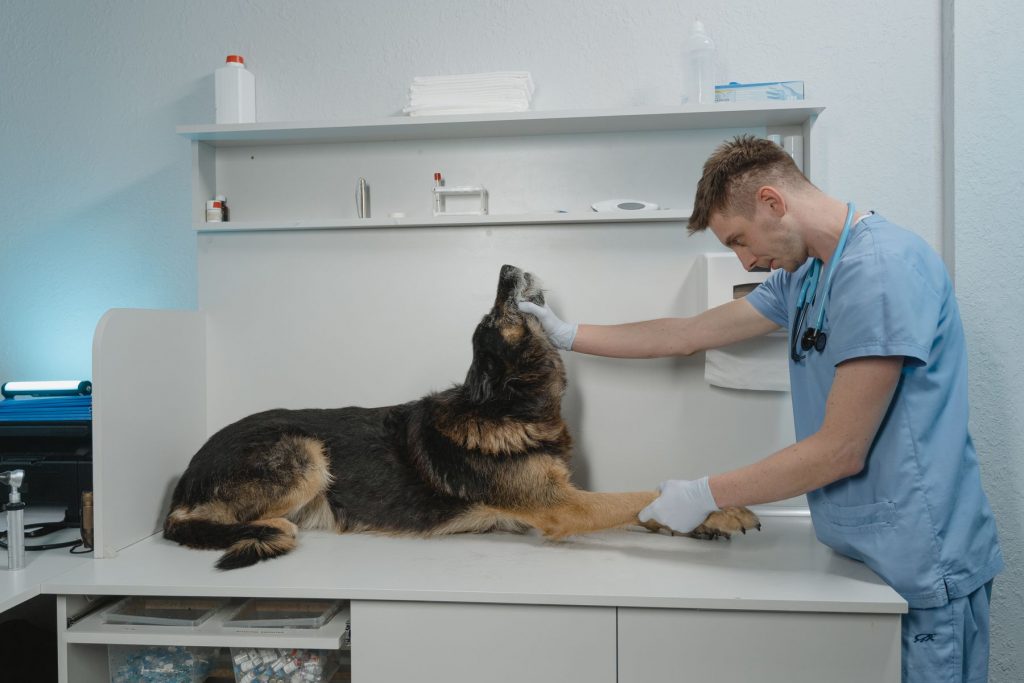
ProVet+ Dog Gastrointestinal is designed by PET WORLD for exactly that role: a low-fat, highly digestible, hydrolysed-protein foundation, a prebiotic–postbiotic microbiome system, and CARMINAL® layered on top, intended to be part of a complete diagnostic and treatment plan.
We encourage Malaysian veterinarians and pet owners to consider ProVet+ Dog Gastrointestinal where a food-responsive enteropathy is suspected or confirmed.
*all quantitative medical claims are supported by Catalysis® trial evidence