


It’s hard to resist those big, innocent eyes during a family dinner. But before you slip them a bite under the table, what are the hidden consequences for your pet?
Avoid! The Foods You Should Never Give Your Pet.
Chocolate
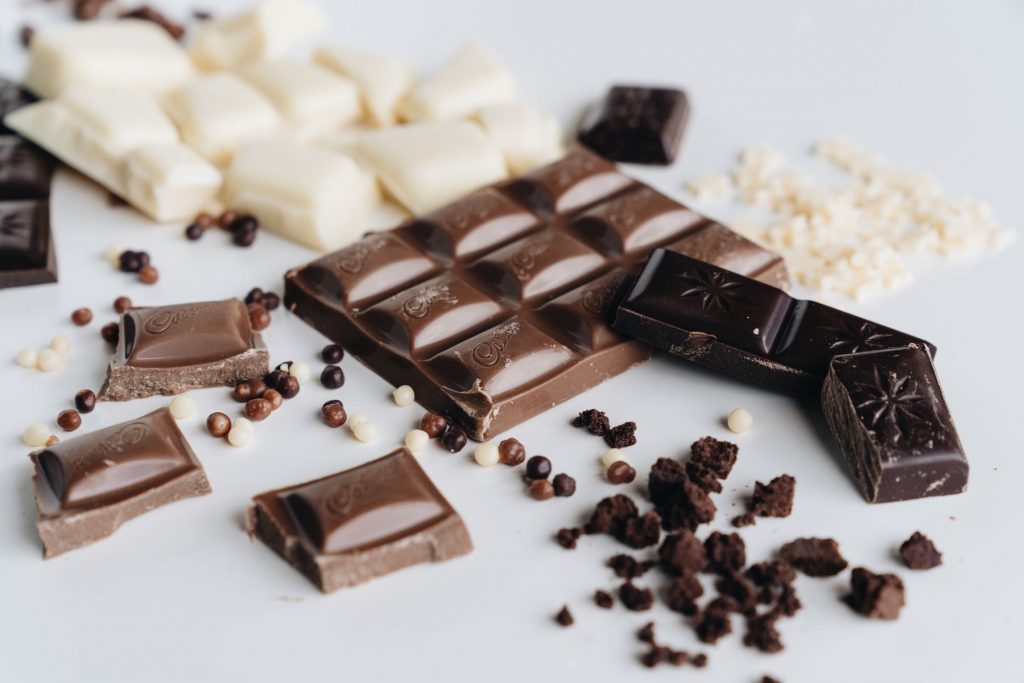
The toxic agents are methylxanthines, mainly theobromine. In dogs, mild signs such as vomiting and diarrhoea appear around 20 mg/kg, cardiotoxic effects at 40 to 50 mg/kg, and seizures at 60 mg/kg or above. The concentration varies enormously by type: cocoa powder at 28.5 mg/g, baking chocolate 15.5 mg/g, dark chocolate 5.3 to 5.6 mg/g, milk chocolate 2.3 mg/g, and white chocolate effectively negligible at 0.04 mg/g (Hayes, 2024, Merck Veterinary Manual).
The practical reading: a 5 kg dog reaches the mild-signs threshold on about 11 g of dark chocolate, and the seizure threshold on roughly 33 g. A square or two of dark chocolate is a real problem for a small dog.
Grapes and raisins
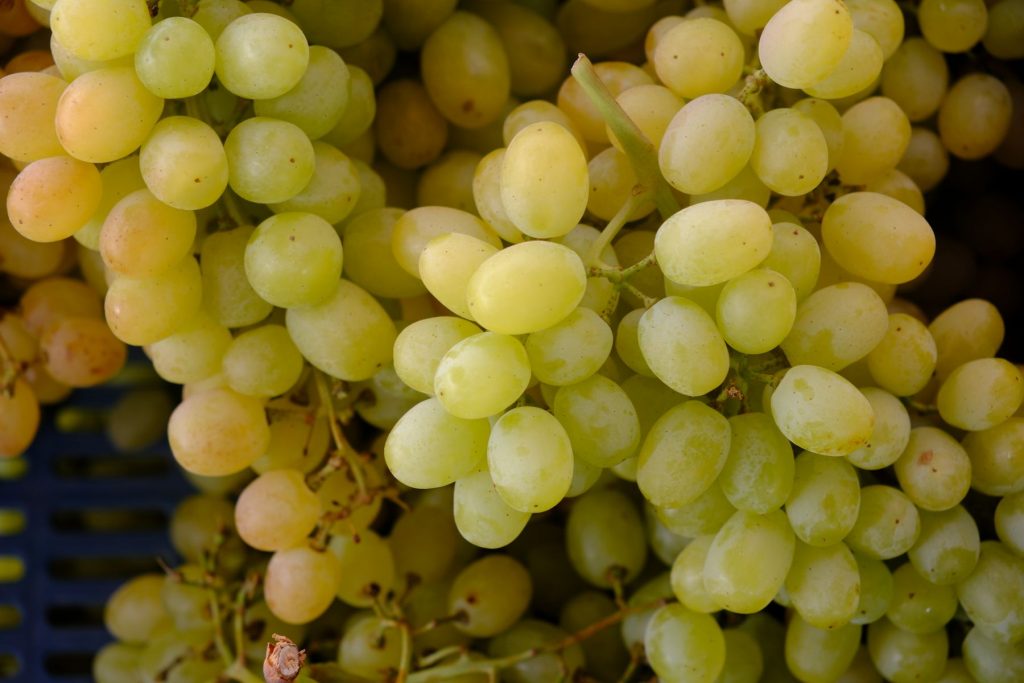
The toxic principle has been identified as tartaric acid, which dogs excrete poorly because they lack the organic acid transporters other species have. Merck’s guidance is blunt: more than one grape or raisin per 4.5 kg of body weight may carry enough tartaric acid to pose a risk of renal effects, with oliguric or anuric renal failure generally developing within 72 hours of ingestion (Hayes & Brutlag, 2024).
Onion, garlic and other alliums
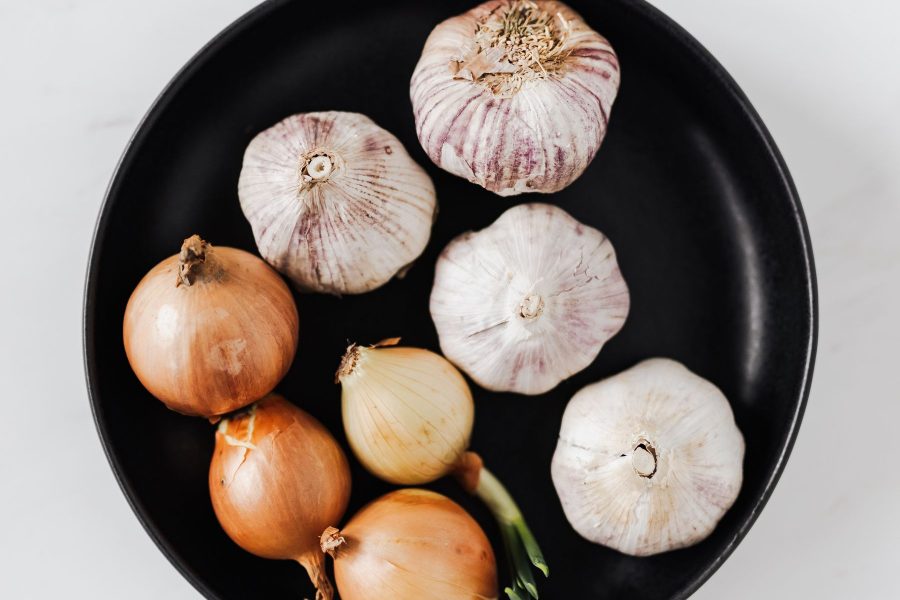
Cats are the most susceptible species, followed by dogs. Toxicosis has been reported in cats after less than a teaspoon of cooked onion, or 5 g/kg of raw onion. Dogs show clinical signs around 15 to 30 g/kg of raw onion. Garlic is three to five times more toxic than onion.
The mechanism is oxidative damage to red blood cells, producing Heinz body formation and methaemoglobinaemia that begins within 24 hours and peaks around 72 hours, with haemolysis typically following three to five days after exposure (Hayes, 2024, Merck Veterinary Manual).
Xylitol
A sugar substitute found in sugar-free gum, some peanut butters, mints and baked goods. Dogs absorb it rapidly and release insulin in response, producing hypoglycaemia, and higher doses are associated with hepatic injury. Keep sugar-free products entirely away from dogs, and check peanut butter labels before using it to hide a tablet.
Macadamia nuts, raw bread dough and alcohol also belong on the avoid list.
If your pet eats any of these, the useful information is species, body weight, what was eaten, roughly how much, and when. Call your vet with those facts rather than waiting for signs.
The Regional Picture Is Changing, and That Is Good News
Feeding pets from the family table has been normal across Southeast Asia for generations.
Table-scrap-only feeding across the region has fallen from around 60% a decade ago to roughly 35 to 45% in 2025. Indonesia sits at about 40%, Vietnam around 35%, Thailand under 30%, and the Philippines below 45% nationally but under 20% in Metro Manila. Globally, daily table-scrap feeding has dropped from 22% to 19% (Pet Food Industry, 2025).
The Third Outcome: Breaking a Veterinary Diet
Here is the part owners are not told enough:
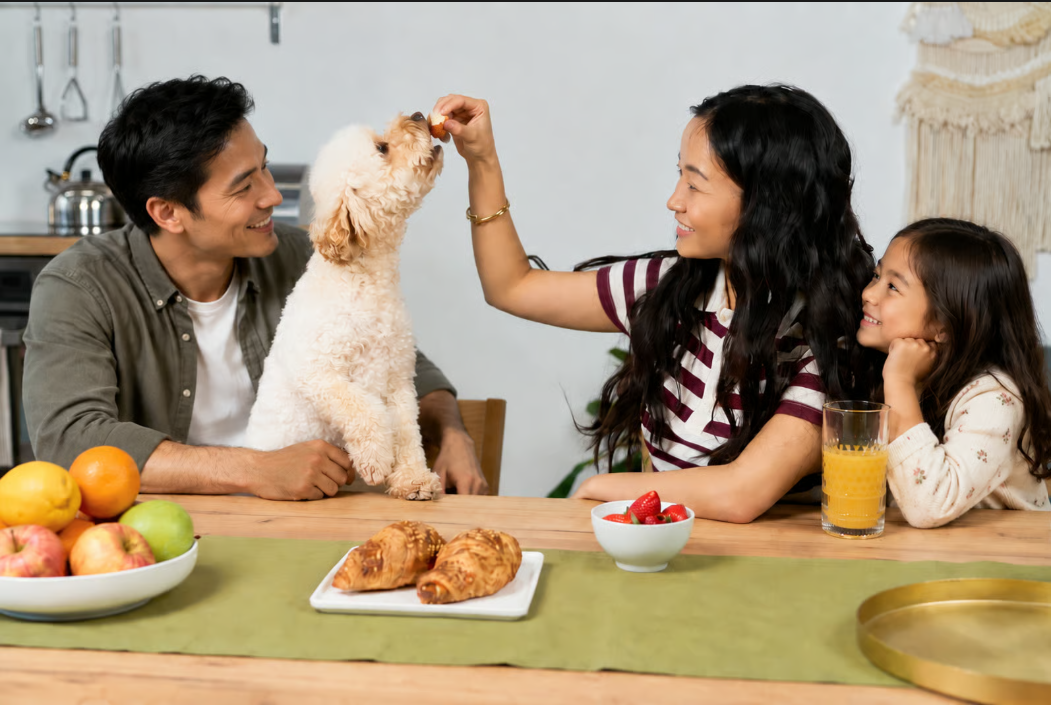
During an elimination diet trial, giving treats can hinder progress. The whole logic of a hydrolysed diet is that peptides kept strictly below 6.5 kDa are too small for the immune system to recognise reliably. Published data shows that reaching a diagnosis in more than 90% of dogs and cats requires at least eight weeks of strict, exclusive feeding (Olivry & Mueller, 2015). One dental chew, one flavoured supplement, one piece of chicken, and the trial no longer answers the question.
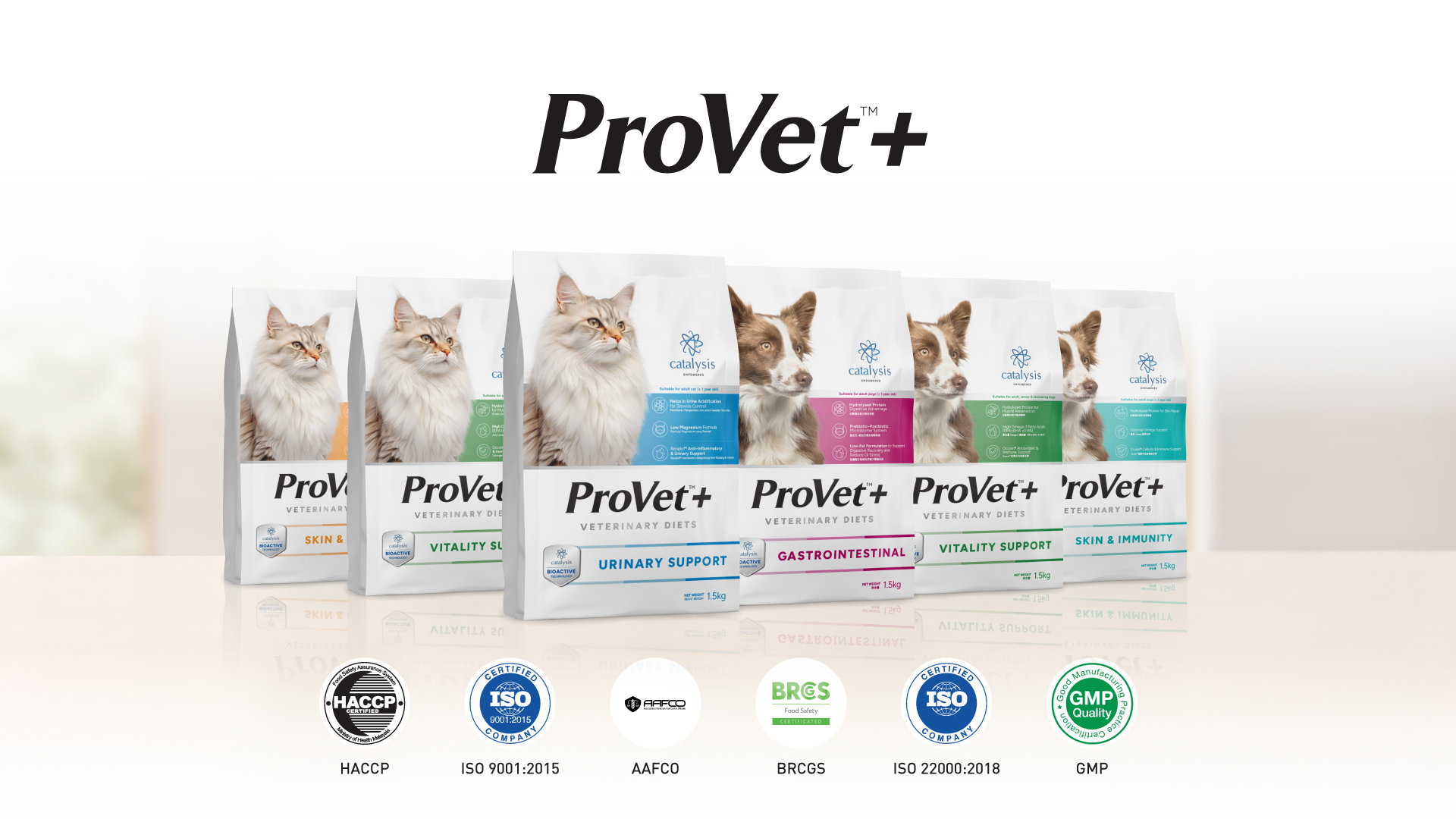
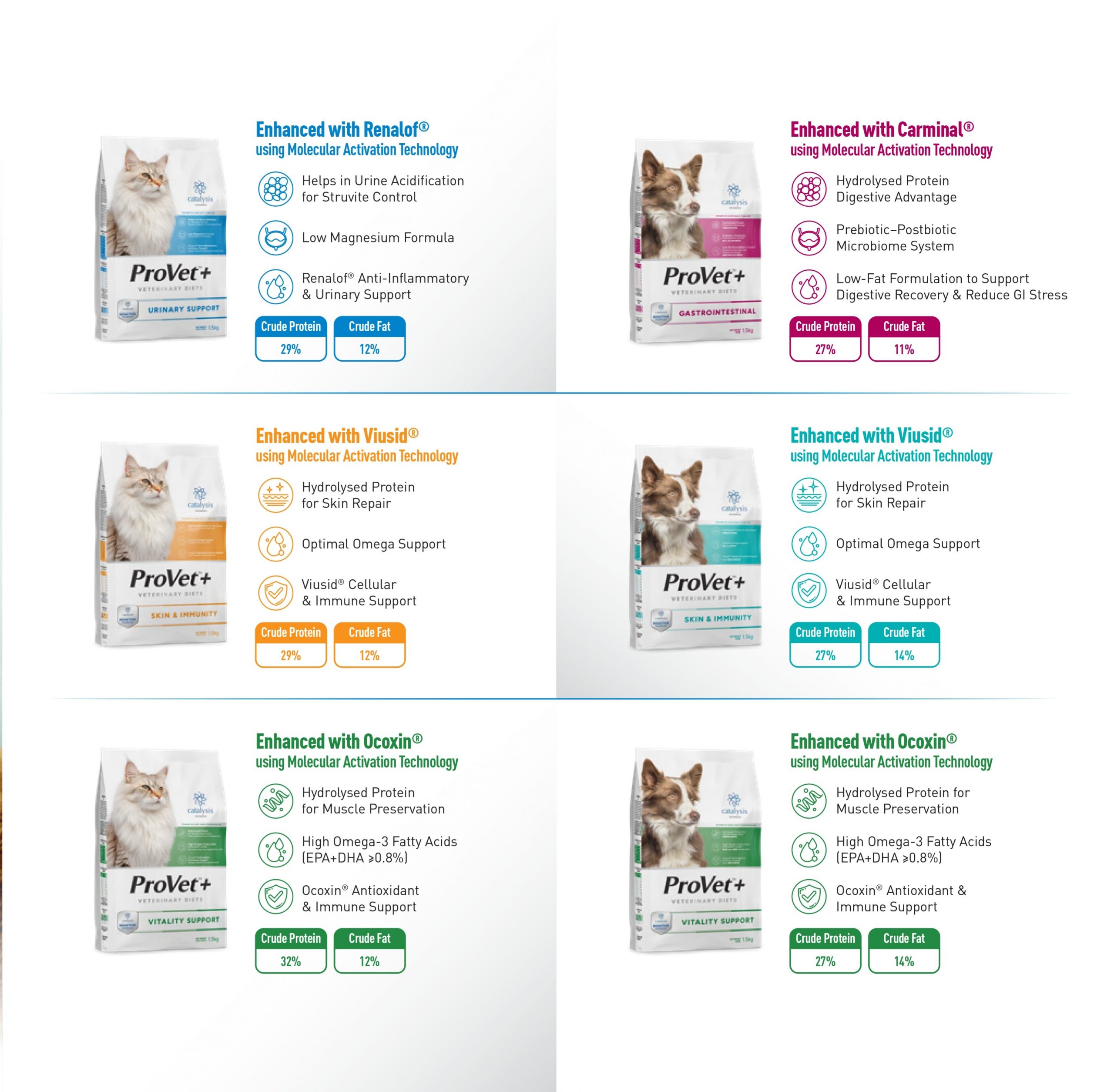
On a urinary formula, extra treats may disrupt the exact mineral balance. ProVet+ Cat Urinary Support caps magnesium at 0.08% maximum and acidifies urine toward a target pH around 6.0 to 6.5. A daily treat of unknown mineral content sits outside that calculation entirely.
On a gastrointestinal formula, fat is the variable you are controlling. ProVet+ Dog Gastrointestinal is formulated at 11.0% fat minimum, the leanest in the dog range, because fat load is central to the condition. A single high-fat table scrap can undo a fortnight of careful feeding, and in a dog with a compromised pancreas it can do considerably worse.
 So What Can You Actually Give?
A reasonable rule for a healthy adult pet is that treats stay under about 10% of daily calories, with the other 90% from a complete and balanced food.
Getting pets to eat a specialized diet can be tough. Our ProVet+ formula solves this with an aromatic marine base of fish meal, salmon peptide, sardine oil, and tuna oil that pets naturally love.
Beyond that, attention works better than owners expect. A walk, a brushing session, a few minutes of play are mood-boosting rewards for your pet.
 The Bottom Line
Three different questions hide inside “can my pet eat this?”.
Is it toxic? For chocolate, grapes, raisins, onion, garlic and xylitol, yes, at doses smaller than most owners assume.
Is it unbalanced? Table food fed regularly displaces a complete diet, and that matters most in the animals least able to absorb the loss.
Does it break the treatment? If your pet is on a ProVet+ veterinary diet, this is the question that gets forgotten, and it is often the one with the greatest cost.
ProVet+ by PET WORLD is a range of veterinary diets for cats and dogs with diagnosed conditions in need of a supportive diet to speed up recovery. Ask your veterinarian which treats, if any, are compatible with the main diet your pet is on.