


Science, quality assurance, and clinical trials establish what a food can do.
Flavour and aroma determine whether it ever gets the chance to do it.
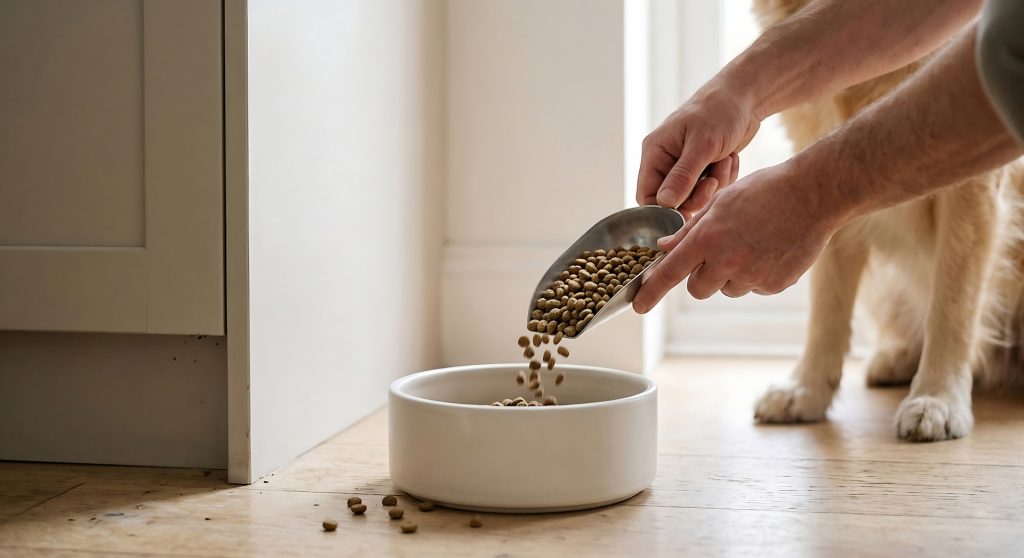
A veterinary diet can be formulated to the highest nutritional standard, manufactured under certified quality systems, and supported by robust clinical evidence. Yet none of that matters if the animal walks away from the bowl.
This is the least discussed failure point in veterinary nutrition. As an industry, the focus naturally settles on nutritional targets, amino acid profiles, and inflammatory markers. For pet owners managing a sick or uncomfortable animal, the reality is far more direct: if the food does not get eaten, the treatment fails.
In veterinary medicine, non-acceptance is rarely reported as a clinical issue. Pet owners simply observe that their pet does not like the food, set the bag aside, and quietly return to their old diet. The clinical plan collapses without anyone recording why.
For a pet managing a chronic condition, this is not a minor setback. Whether managing food-responsive enteropathies, supporting a struvite dissolution protocol, or conducting an eight-week elimination trial, the diet is part of the treatment.
Why Sick Pets Stop Eating
Reduced appetite is not stubbornness. It is a physiological consequence of illness, and several mechanisms usually operate at once.
Inflammatory disease alters appetite signalling directly. Nausea, whether from the disease or from medication, suppresses intake. Pain reduces willingness to eat. Uraemia in kidney disease and a compromised sense of smell in older animals both blunt interest in food. Cats in particular depend heavily on aroma, and a diminished olfactory sense translates quickly into diminished appetite.
The consequences accumulate faster than most owners expect. Veterinary guidance on feline anorexia recommends initiating assisted feeding within approximately three to five days of cessation of food intake, and earlier in animals that are already malnourished or at risk of hepatic lipidosis (Michel, 2001, Journal of Feline Medicine and Surgery).
Three to five days is a short window. It is worth understanding before you are in it.
Compliance Is the Ultimate Test
A successful veterinary diet cannot exist solely on paper or in a laboratory analysis. Real-world compliance is the ultimate benchmark of therapeutic efficacy.
When evaluating a veterinary diet, pet owners and veterinarians should look beyond the nutritional panel to understand how the formula addresses palatability.
The Science of Palatability Engineering
Closing the acceptance gap requires a deliberate approach to formulation rather than a reliance on artificial flavourings. High-standard veterinary diets use specific structural methods to drive voluntary intake.
1. Enzymatic hydrolysis for flavour profile
Not all hydrolysis processes yield the same flavour profile. Advanced enzymatic processing breaks proteins down to precise molecular weights while minimising the bitter peptide fractions that cause food refusal. Utilising high-grade marine proteins like tuna and salmon peptides provides a naturally attractive aroma base for cats and dogs without introducing common land-animal allergens.
2. Coating technologies and digest application
Because dogs rely heavily on olfactory cues and cats are acutely sensitive to surface texture and flavour, the coating stage is critical. Applying controlled fat layers alongside natural, hypoallergenic digests to the outside of the kibble ensures that the initial aroma and taste meet the animal’s natural preferences immediately upon contact.
3. Precise moisture and kinetic crunch control
Kibble density, shape, and moisture content dictate how the food breaks down in the mouth. A kibble that is too hard or fractures into sharp fragments causes mouth discomfort, particularly in older pets or those experiencing systemic inflammation. Optimising kibble geometry and moisture retention creates a texture that encourages chewing and proper digestion.

Learned Food Aversion: The Mistake Worth Avoiding
There is one specific error that can permanently compromise a therapeutic diet, and it is easy to make with the best of intentions.
If an animal is offered a new food while it is actively nauseous, it can form a lasting negative association with that food. The nausea passes. The aversion does not.
This is well recognised in veterinary nutrition. Work in cats has shown that animals fed exclusively by tube after diagnosis recovered their appetite faster than those offered food first, consistent with the interpretation that they avoided associating eating with feeling unwell (Michel, 2001).
The practical rule follows directly: do not introduce a new therapeutic diet at the peak of nausea, during hospitalisation, or immediately after a procedure. Stabilise first, then transition. An owner who force-feeds the new prescription diet to a vomiting pet may be teaching that pet to refuse it for good.
The Seven-Day Transition
Every ProVet+ formula carries the same transition protocol, and it exists for two reasons: to protect diet acceptance, and to protect the gut.
| Day | Percentage of new food |
|---|---|
1 – 2 |
25% |
3 – 4 |
50% |
5 – 6 |
75% |
7 |
100% |
An abrupt switch changes the substrate reaching the intestinal microbiota all at once, which can itself produce loose stools. In a dog already being treated for a gastrointestinal condition, that looks exactly like treatment failure and is frequently mistaken for it.
Two points owners regularly get wrong.
Mix, don’t alternate. The new and old food should be combined in the same bowl at the stated ratio. Feeding the old food in the morning and the new food at night is not a transition.
If the pet stalls, slow down rather than stopping. Hold at the current ratio for an extra two or three days and then continue. Abandoning the transition and reverting entirely is what turns a slow start into a failed one.
Some animals, particularly cats and pets with chronic illness, need ten to fourteen days rather than seven. That is normal and worth planning for.
What ProVet+ Does at the Formulation Level
Palatability in ProVet+ is a formulation outcome, not an afterthought.
A marine-sourced base. Fish meal, salmon peptide, sardine oil and tuna oil form the protein and fat backbone across the range. Fish-based ingredients are strongly aromatic and generally well accepted, which matters most in exactly the animals that are hardest to feed.
Fat and protein density. Cats respond particularly to moisture, fat and protein content. The ProVet+ formulas are built at 27% minimum protein across the dog range, with fat levels set per clinical indication.
Ocoxin® and appetite in the Vitality formulas. ProVet+ Vitality Support is fortified with OCOXIN®, which the manufacturer formulates with a palatable liver aroma associated with improved appetite and treatment tolerance in recovering animals. For a patient in a recovery or oncology-support context, where maintaining intake is itself a clinical objective, that is a meaningful design choice.
Consistency of kibble form. Something as simple as an unfamiliar kibble shape or texture can account for a cat’s refusal of a new food (Michel, 2001). Consistency of physical presentation across a range reduces one variable when a patient moves between formulas.
Practical Tips for Malaysian Households
Small adjustments make a disproportionate difference to acceptance, particularly in this climate.
Warm the food slightly. Aroma drives appetite, especially in cats and older animals. Bringing food to around body temperature lifts its scent noticeably. Never serve it hot.
Feed in a calm, low-traffic spot. Competition from other pets, household noise, and passing traffic all suppress intake in an animal that is already reluctant.
Use shallow, wide bowls. Whisker contact with bowl sides discourages some cats from finishing a meal. Keep feeding and water bowls clean, and place water in several locations around the house.
Feed two to three smaller meals rather than one large one. Smaller, more frequent presentations are easier for a compromised appetite to manage.
Protect the food from heat and humidity. This matters more here than in a temperate climate. Fat oxidation degrades both aroma and palatability, so keep kibble in its original sealed bag rather than decanting it into an open container, store it somewhere cool and dry away from sunlight, and choose a pack size the household will finish in a reasonable time. A pet refusing a diet it previously accepted is sometimes refusing a bag that has gone stale, not the formula.

When to Call Your Veterinarian
Contact your veterinary clinic if your pet refuses food entirely for more than 24 hours, if a cat has not eaten for 24 to 48 hours, if refusal is accompanied by vomiting, lethargy or weight loss, or if the transition consistently stalls despite a slower approach.
Persistent refusal is clinical information. It can indicate nausea, pain, or progression of the underlying disease, and it deserves assessment rather than a change of brand.
ProVet+ is built with both the formulation and the bowl in mind: a marine-sourced, aromatic base engineered for acceptance in animals that are already unwell, a defined seven-day transition protocol on every formula, and OCOXIN® in the Vitality Support range for patients where appetite is itself part of the clinical problem.
Talk to your veterinarian about which ProVet+ formula fits your pet’s diagnosis, and about how to transition onto it in a way that gives the treatment a fair chance of working.
*all quantitative medical claims are supported by Catalysis® trial evidence