


Your pet thrown up twice since yesterday but is otherwise behaving normally.
The question every owner asks at that moment is the same: is this a wait-and-see, a phone call, or a drive to the clinic right now?

Go to the Vet If You See Any of These
Seek immediate veterinary attention if your cat or dog shows:
- Three or more episodes in rapid succession
- An inability to keep water down
- Blood in the vomit, either bright red or looking like coffee grounds
- Forceful, projectile vomiting, particularly with a faecal odour
- Pale or whitish gums, marked weakness, collapse or unconsciousness
- A tender, swollen or painful abdomen
- Seizures, confusion or disorientation
- Signs of dehydration: tacky gums, sunken eyes, or skin that stays tented when pinched
- Known or suspected ingestion of a toxin or a foreign object
- Repeated unproductive retching, especially in a large deep-chested dog, which can indicate bloat
Book an appointment within the same day if you observe: two to three episodes in a day, reduced appetite or lethargy alongside the vomiting, regular morning vomiting of bile, or vomiting that recurs weekly or on and off over months.

A cat that has stopped eating for 24 to 48 hours needs a call to the clinic, vomiting or not.
Vomiting and Regurgitation Are Different Events
Vomiting is active. There is retching, abdominal effort, often drooling and nausea beforehand, and the material is usually partly digested.
Regurgitation is passive. Undigested food comes back up with no abdominal effort, often soon after eating, sometimes in a tube shape.
Telling your veterinarian which one you saw is useful. Regurgitation points toward the oesophagus, whilst vomiting opens a much wider list.
For Cat Owners: Why “It’s Just a Hairball” Deserves a Second Look
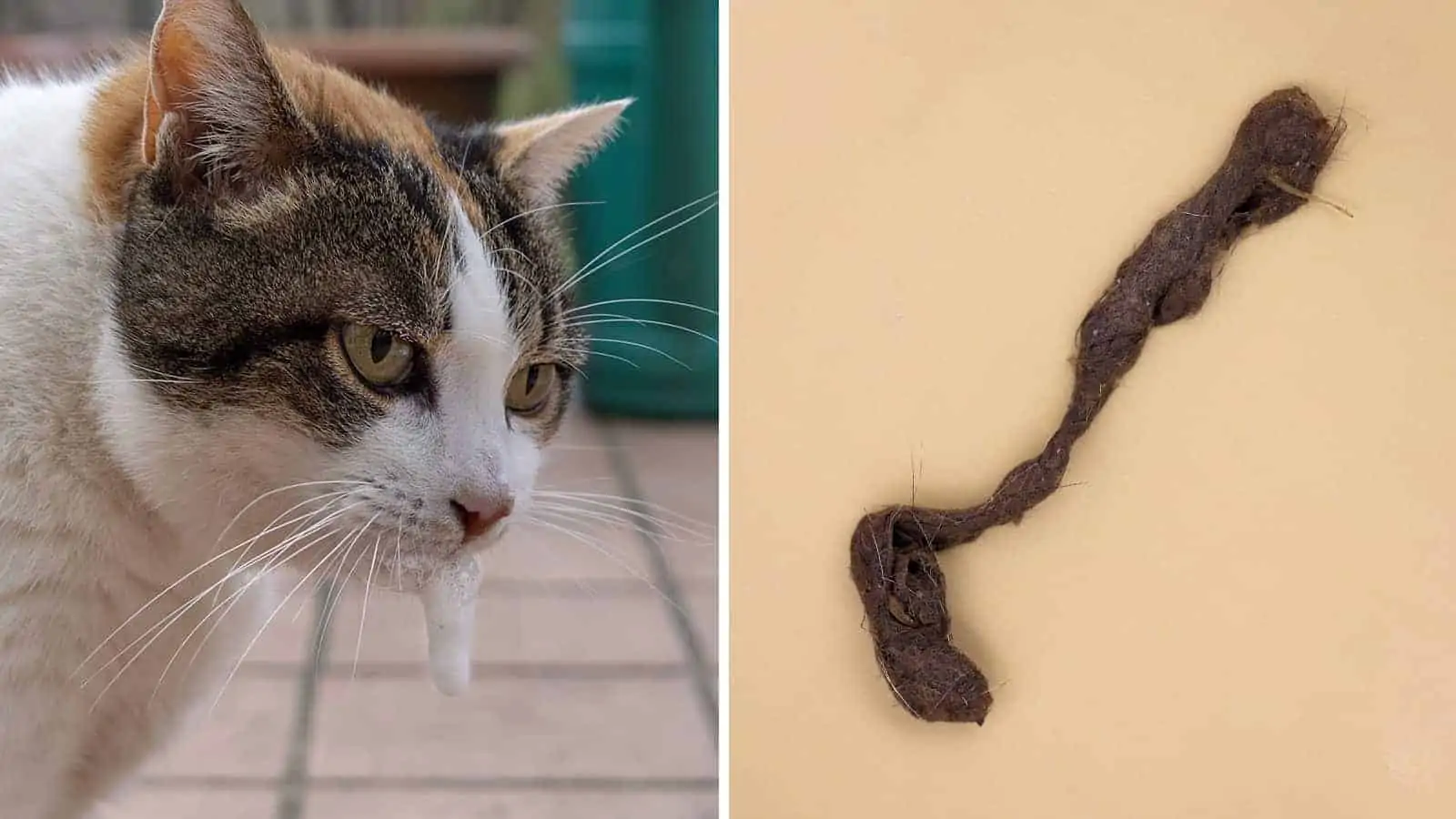
Cat owners often file vomiting under hairballs and stop thinking about it.
Occasional hairballs in a long-haired cat are unremarkable. However, vomiting that happens more than about once or twice a month in a cat is not normal, whatever is in it.
 Acute Versus Chronic, and Why Three Weeks Is the Line
A single episode in a bright, hydrated animal that then eats normally is usually caused by causes of smaller concern: dietary indiscretion, eating too fast, or a transient upset.
Veterinary gastroenterology draws a meaningful line at roughly three weeks. Signs persisting or recurring beyond this three week point is treated as a chronic enteropathy rather than an acute upset, which then changes the approach.
An acute episode is managed supportively while the gut recovers. A chronic enteropathy is a persistent state, with an inflamed intestinal barrier, impaired absorption, and a shifted microbial population.
Where Diet Comes In, and Where It Does Not
Where diet does matter: The chronic, food-responsive case. In dogs with chronic inflammatory enteropathy, food-responsive enteropathy is reported to account for roughly 50 to 65% of cases (Jergens & Heilmann, 2022). For that majority, the diet is not supportive care around the edges. It is the treatment.
Diet is not the first move in: acutely vomiting pets & pets at the peak of nausea. Diet is rarely the first step for an acutely vomiting pet, as many underlying conditions—such as obstructions, pancreatitis, or toxins—require medical or surgical care rather than nutrition. Furthermore, avoid introducing a new diet while your pet is actively nauseous, as this can trigger a lasting food aversion. It is essential to stabilize your pet’s condition first before exploring any dietary transitions.
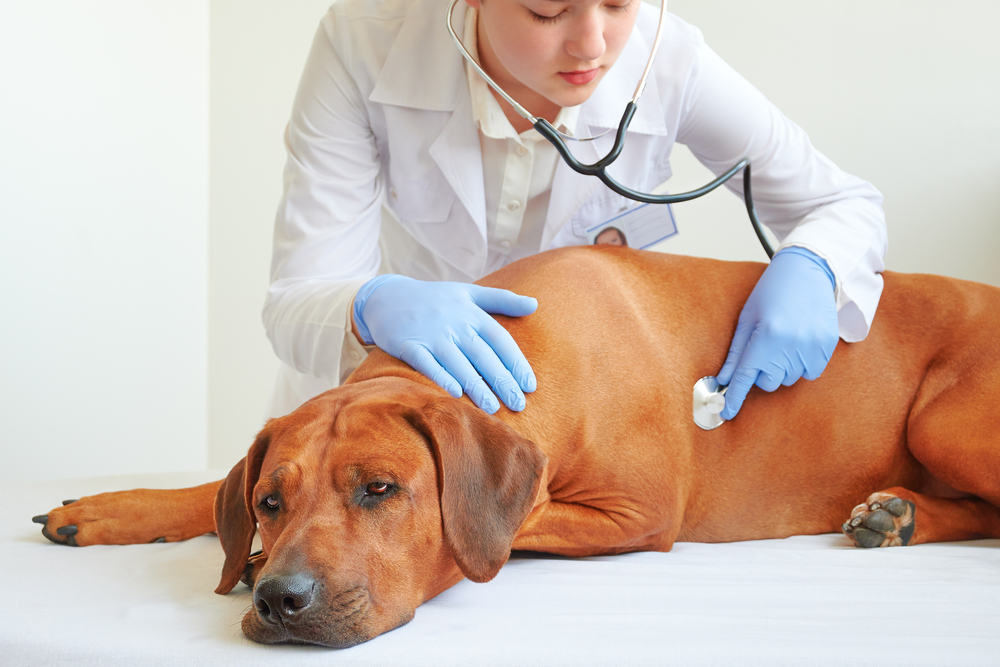
Vomiting has dozens of causes, and many of them need a diagnosis and treatment before diet becomes relevant.
The Bottom Line
Occasional vomiting in a bright, well pet that eats normally afterwards is usually nothing. Repeated vomiting, blood, inability to keep water down, or vomiting alongside lethargy or weight loss is not something to manage at home.
And if vomiting has been going on for three weeks or more, the question stops being what to do tonight and becomes what is actually wrong. For a substantial share of those dogs, the answer turns out to be the food, and ProVet+ Dog Gastrointestinal is designed for exactly that role under veterinary supervision.
*all quantitative medical claims are supported by Catalysis® trial evidence